
Introduction
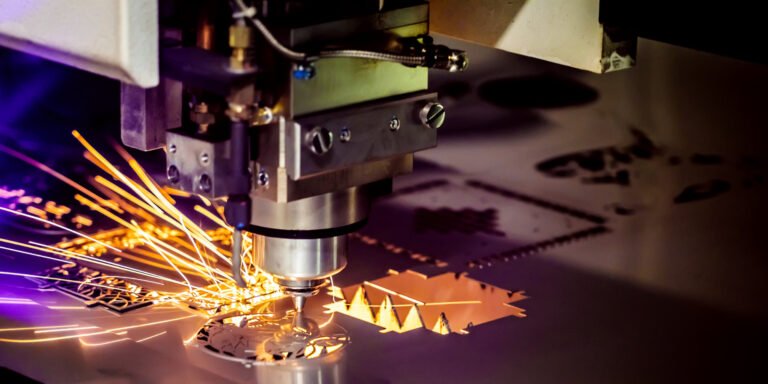
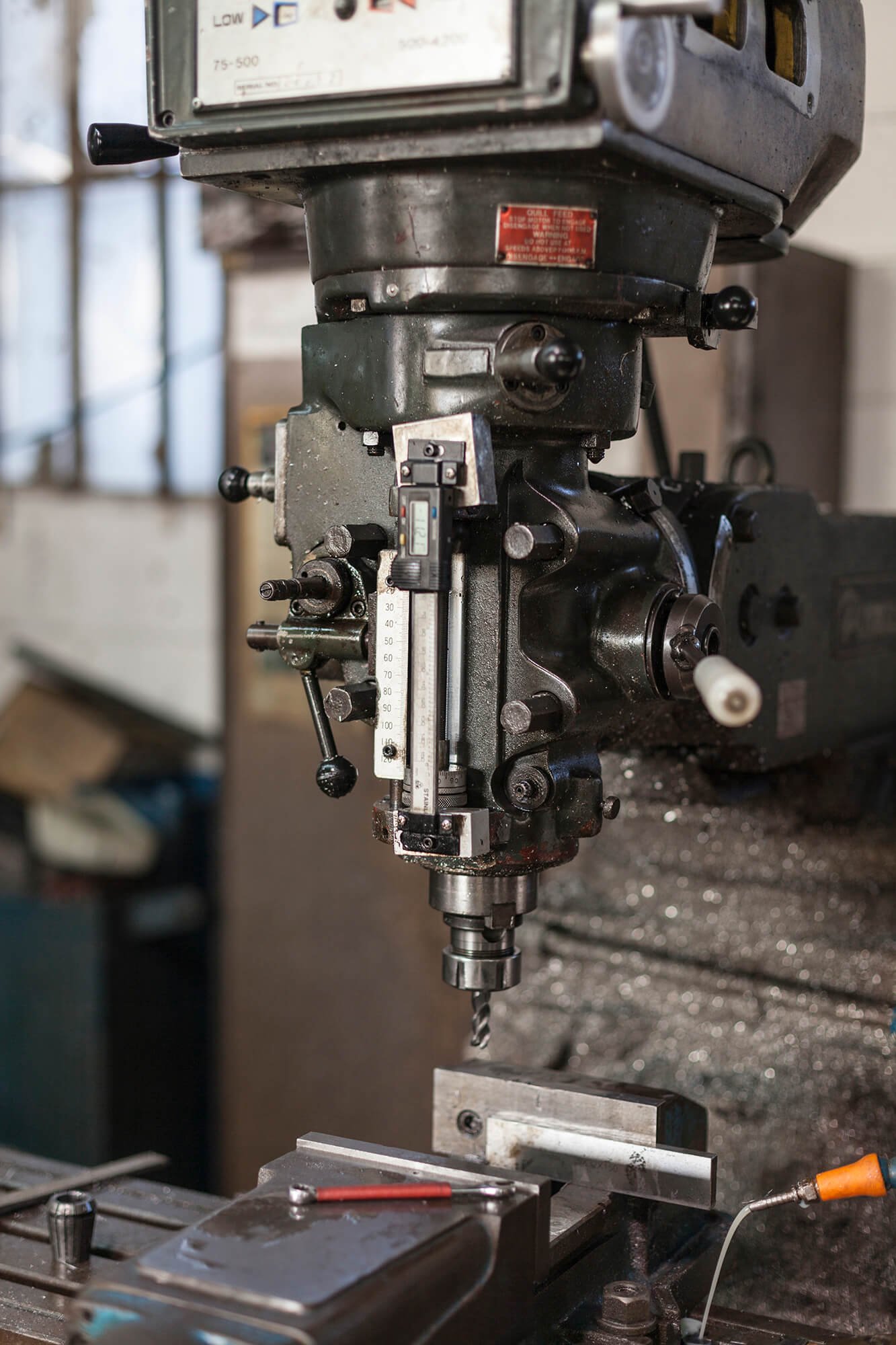
In the realm of modern manufacturing, CNC (Computer Numerical Control) technology has revolutionized the way industries operate. CNC machines, driven by advanced software and precise instructions, enable the production of intricate and accurate parts. These parts find their application in a wide range of industries, spanning from aerospace to automotive, healthcare to electronics, and everything in between. In this blog post, we will explore some of the key industries that benefit from the utilization of CNC parts, highlighting their importance and impact.
“Manufacturing is more than just putting parts together. It’s coming up with ideas, testing principles and perfecting the engineering as well as final assembly.”
— James Dyson
Aerospace Industry
The aerospace industry demands high-quality, precise components to ensure safety and performance. CNC parts play a crucial role in manufacturing aircraft components like engine parts, landing gear, brackets, and structural elements. The ability of CNC machines to produce complex geometries with tight tolerances makes them an ideal choice for aerospace manufacturers. Moreover, the use of lightweight materials, such as aluminium and titanium, can be effectively implemented with CNC machining, enhancing fuel efficiency and overall aircraft performance.
Automotive Industry
The automotive industry is another major beneficiary of CNC parts. From engine components to transmission parts, CNC machining ensures the production of accurate, durable, and high-performance components. Whether it’s cylinder heads, pistons, crankshafts, or intricate gears, CNC machines excel at producing complex automotive parts with tight tolerances. Furthermore, the flexibility of CNC machining allows for rapid prototyping and efficient mass production, enabling automotive manufacturers to meet the demands of a dynamic market.
Medical and Healthcare Industry
In the medical and healthcare industry, precision and reliability are of utmost importance. CNC parts find extensive use in the manufacturing of medical devices and equipment. From surgical instruments and implants to prosthetics and dental components, CNC machining ensures the production of intricately designed and precise parts. The use of biocompatible materials, coupled with the ability to create complex geometries, enables the development of customized solutions tailored to individual patient needs.
Electronics Industry
The electronics industry heavily relies on CNC parts for the production of intricate and miniaturized components. PCB (Printed Circuit Board) manufacturing, for instance, utilizes CNC machines to accurately drill holes, create fine traces and cut outlines. CNC machining also enables the production of heat sinks, connectors, enclosures, and other intricate parts used in electronic devices. The ability to work with various materials, including metals, plastics, and composites, makes CNC machining an indispensable technology in the electronics industry.